
PhD Opportunity: Radiation Effects in Hafnia-Based Ferroelectric Memories for Edge AI

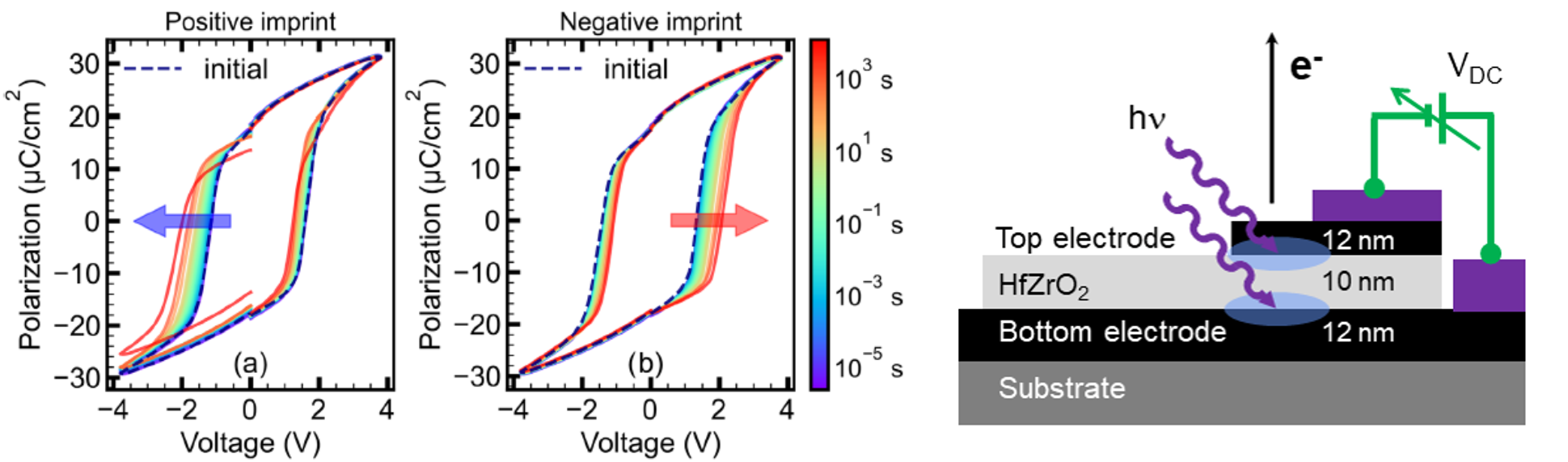
The emergence of hafnia-based ferroelectric (FE) memories has opened a new paradigm for ultra-low-power edge computing. Hafnia is fully compatible with CMOS technology and offers extremely low power consumption—up to three orders of magnitude lower than other emerging memory technologies.
These advantages make hafnia-based ferroelectric memories highly attractive for strategic applications, including space, defence, medical systems, nuclear safety, and heavy-duty transport, where electronic components must operate reliably in harsh radiation environments.
A key challenge addressed in this PhD project is imprint, which induces a shift of the Polarization–Voltage (P–V) curve along the voltage axis. This phenomenon is attributed to charge trapping and detrapping, domain pinning, and charged defects — all effects that may be further accentuated under irradiation.
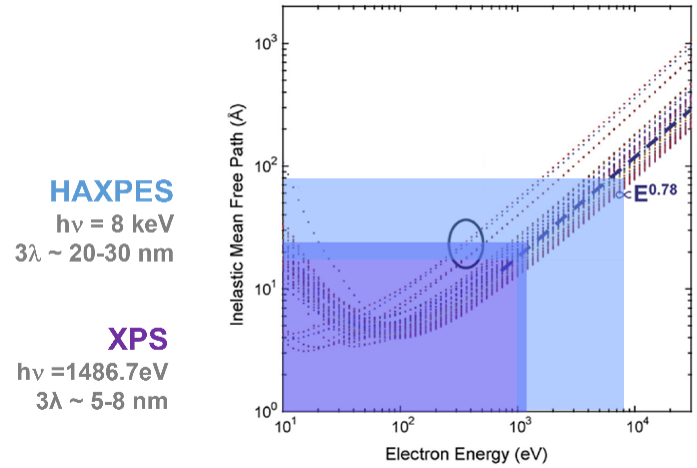
The research will rely on advanced photoelectron spectroscopy techniques, including synchrotron-radiation-induced hard X-ray photoelectron spectroscopy (HAXPES), complemented by structural analyses such as high-resolution electron microscopy, X-ray diffraction, and near-field microscopy. Experimental investigations will be supported by theoretical calculations to simulate material responses under irradiation.
The work will be carried out in the framework of a close collaboration between CEA/Leti in Grenoble, providing samples, integrated devices, and wafer-scale characterisation, and CEA/Iramis in Saclay, responsible for fundamental material analysis, irradiation experiments, and device-scale characterisation.
Discover the full PhD opportunity here - start date October 2026 (submission deadline: 26/05/2026)